Canadian real estate and business tax planning
Consider the tax consequence before the financial decision becomes difficult to change.
Ownership, borrowing, CCA, compensation, acquisitions, exits and property decisions can produce different cash and tax outcomes. Start with the decision, model the alternatives, and confirm the current tax treatment with qualified advisors.
Real estate tax decisions
Start with the property question.
These guides connect tax assumptions to financing, operating cash flow and the expected exit.
Business owner tax decisions
Coordinate structure and owner cash with the business plan.
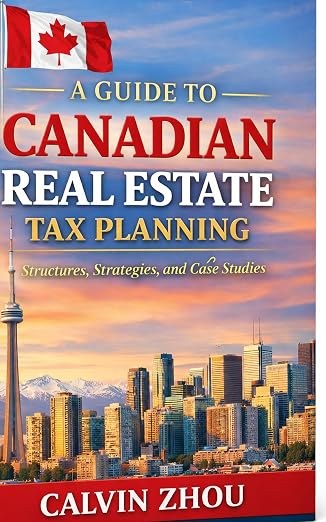
The book behind this topic
A Guide to Canadian Real Estate Tax Planning
Calvin Zhou's guide examines structures, strategies and case-style real estate decisions where tax, financing, cash flow and exit planning must be considered together.
Kindle edition: CAD $39.99.
The book is educational and should be read alongside current professional advice for any specific property or transaction.
Tax planning belongs inside the financial model.
A decision model should show pre-tax economics, estimated tax timing, owner cash needs and the consequences of changing assumptions. It should also distinguish modelled estimates from tax conclusions requiring professional confirmation.
- Define the property, business and owner objective first.
- Model more than one reasonable structure.
- Separate current tax from long-term cash and flexibility.
- Show financing, tax and exit assumptions together.
- Confirm implementation with the accountant and lawyer.
Canadian tax rules and rates change and depend on specific facts. Content is general information and should be confirmed with a qualified Canadian tax professional using current CRA and government guidance.